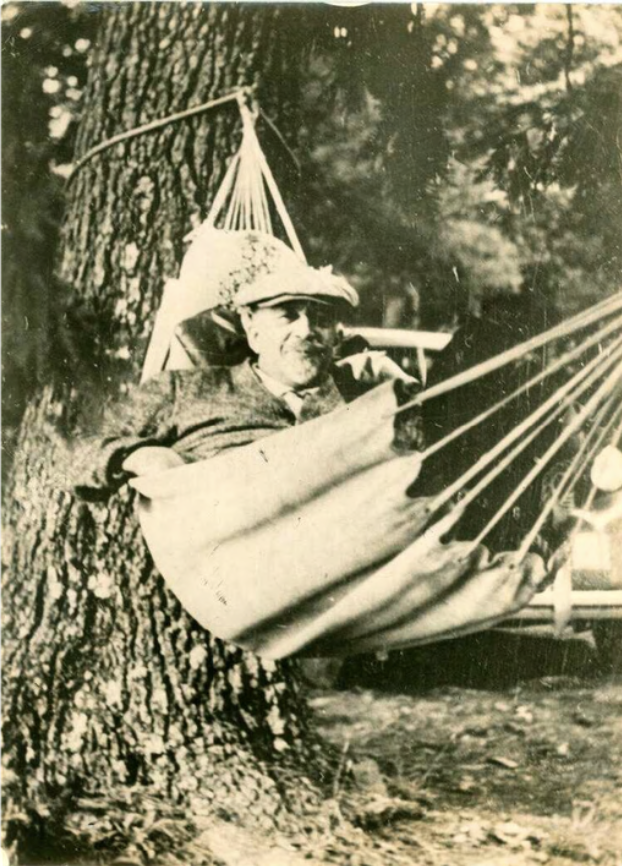
Du Bois at camp.
He came back, year after year.
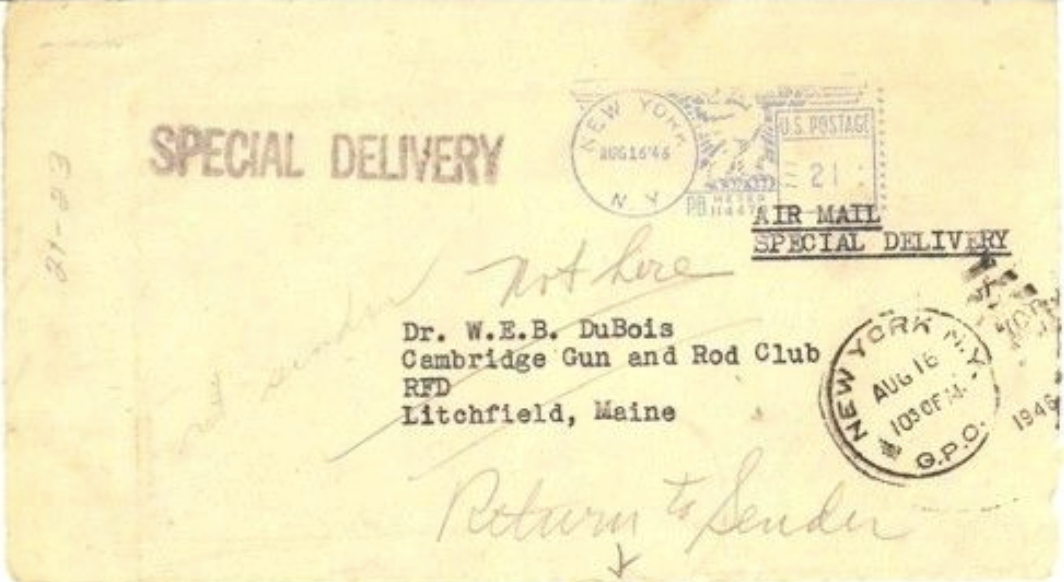
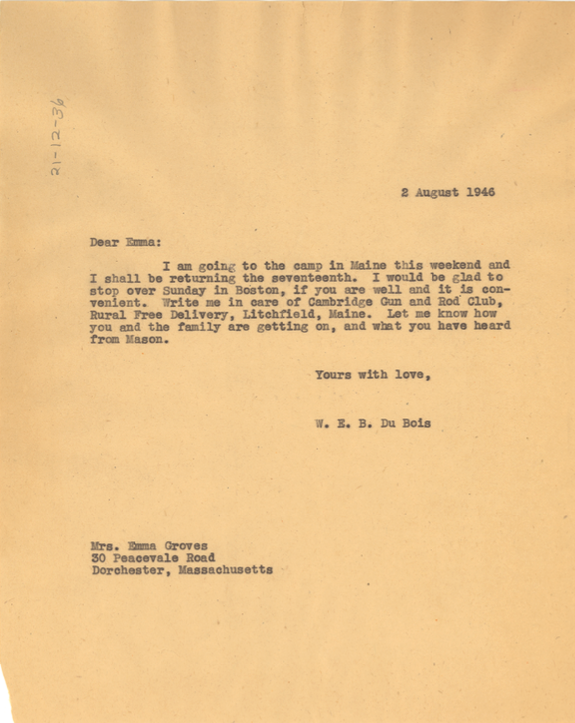
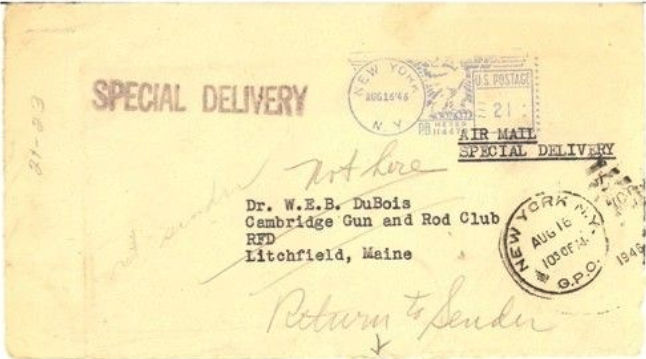
W.E.B. Du Bois was a member of the Cambridge Gun and Rod Club for more than two decades. The archive at UMass Amherst shows letters from 1921 onward — letters from Du Bois at the camp, letters to him at the camp, an envelope sent to him in Maine in the summer of 1946 marked Return to Sender because he had already left for New York.
He came in summer. He fished. He rested. He wrote. He went back to the work.
A place to put the work down.
Du Bois was one of the most prolific intellectuals of the twentieth century. He needed a place to stop being that. The camp was private then. It is private now. He came back because nobody at the lake was asking him to perform.
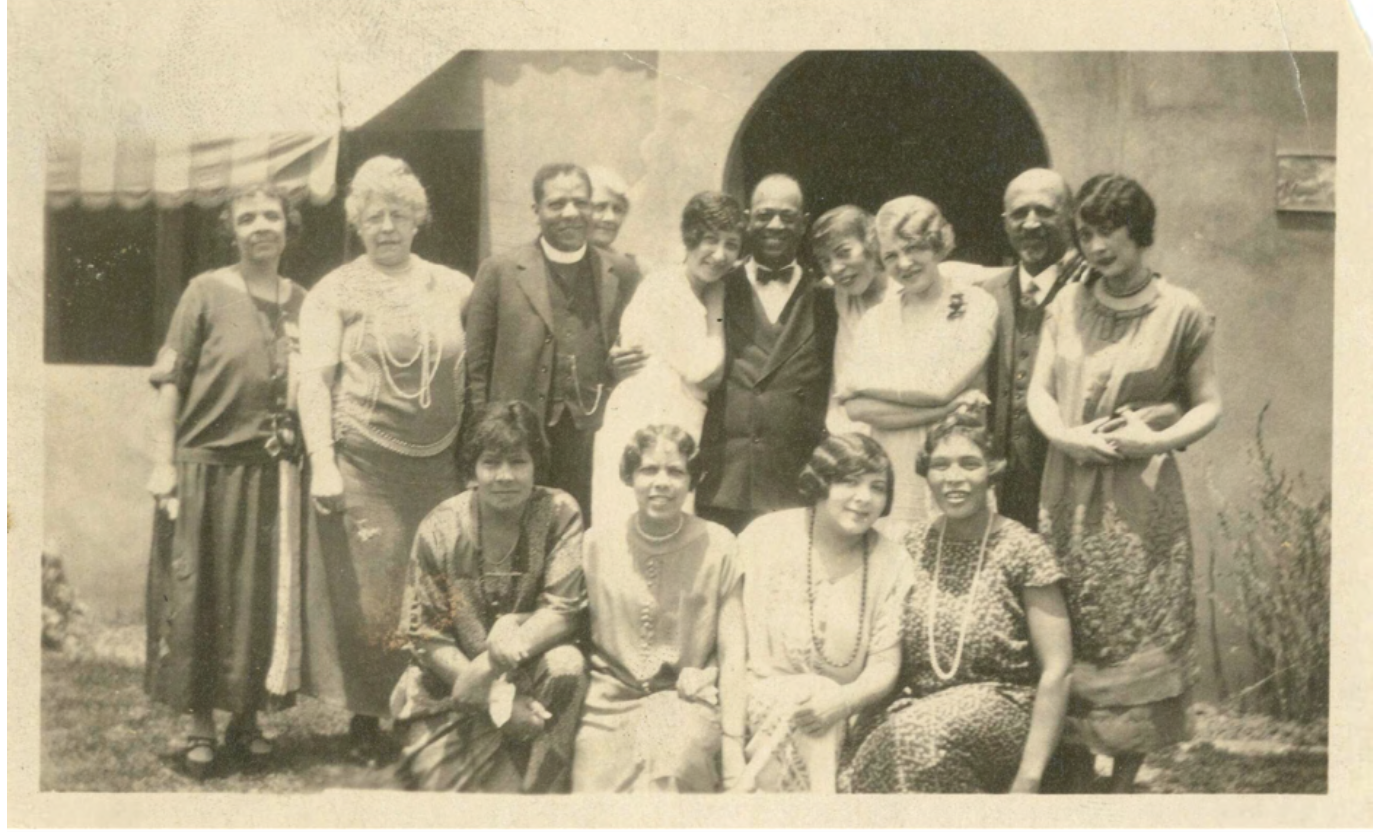
In the photographs he is reading in a hammock. He is in the group portraits with the men who ran the club. He is at the lake. He looks like a man on vacation, because that is what he was.
The Cambridge Gun and Rod Club had been open every August since 1893. By the time Du Bois became a regular, the camp had its own shape: a dining hall, a lodge, a dock, a lake. The members ran it themselves and have for a hundred and thirty years.
Du Bois fit into that shape. He came back into it every summer.
Thirteen documents.
From the W.E.B. Du Bois Papers at the University of Massachusetts Amherst Libraries. Letters, photographs, vacation schedules, a returned envelope. Every document that touches the Cambridge Gun and Rod Club, between 1920 and 1947.
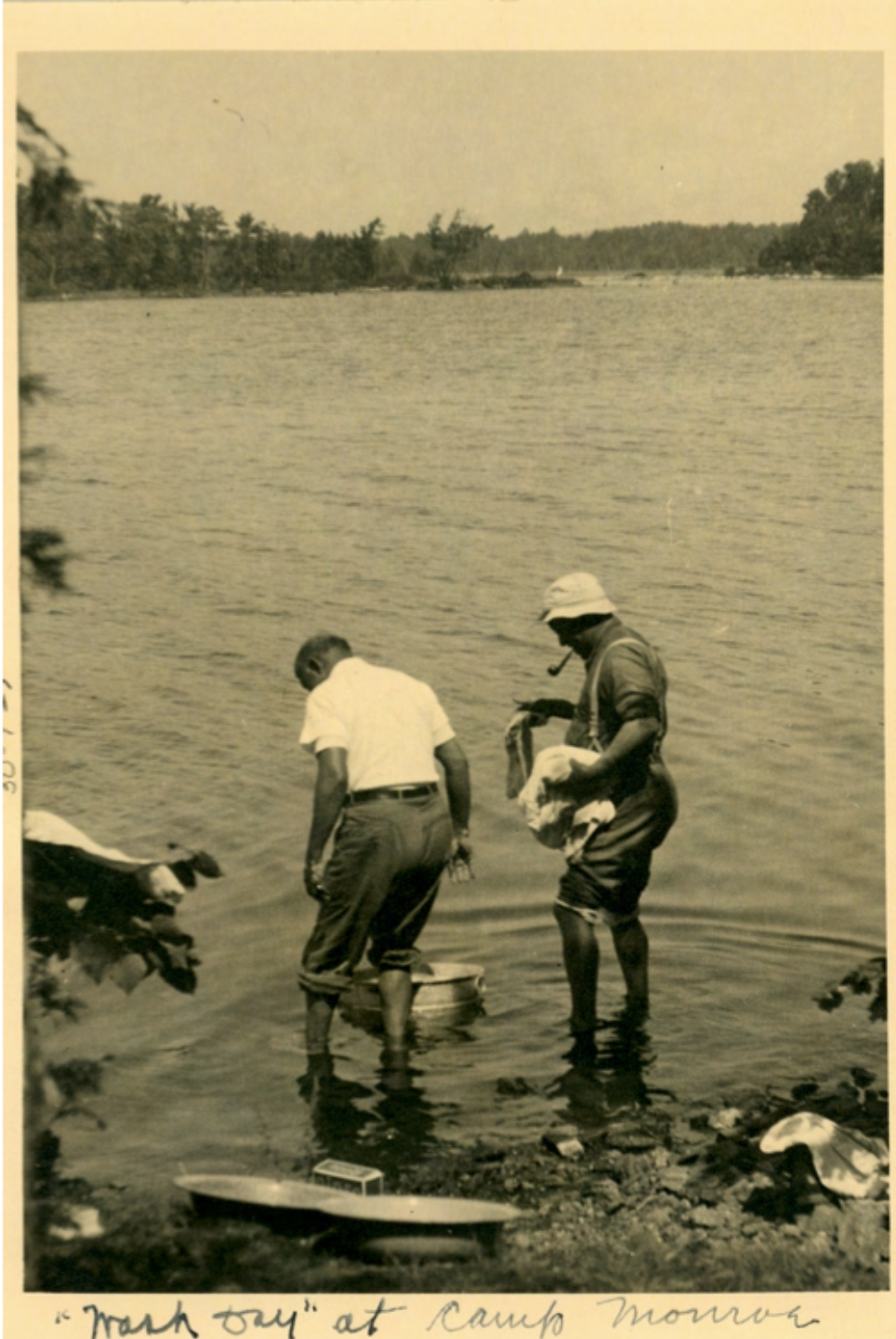
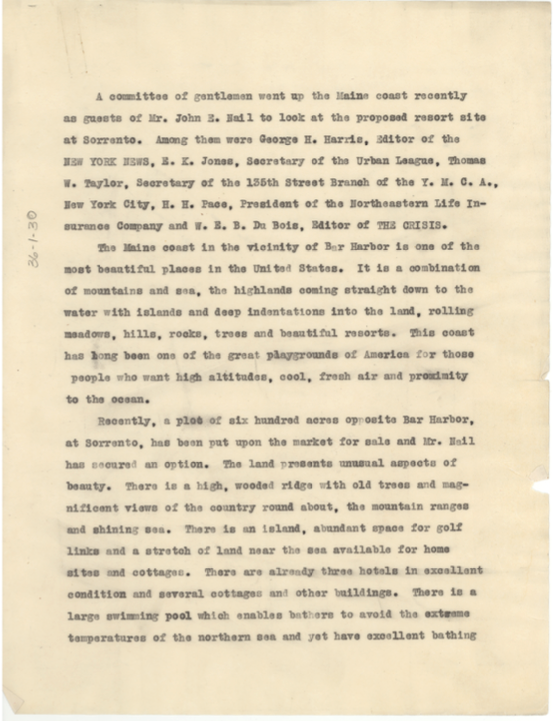
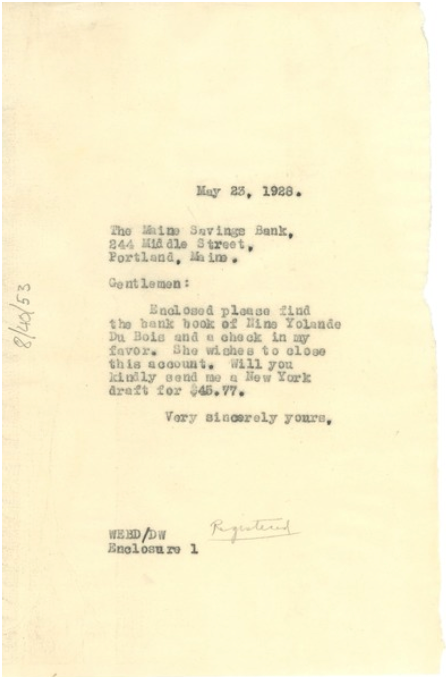
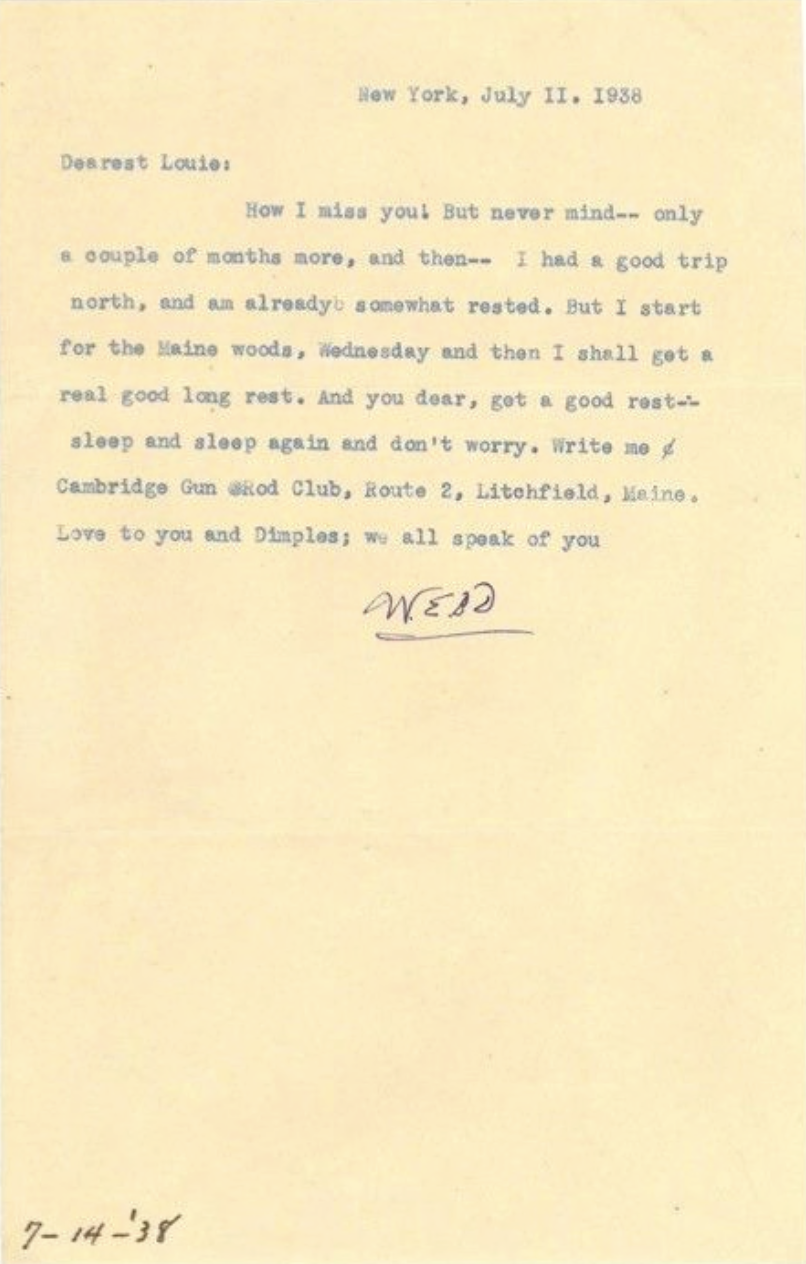
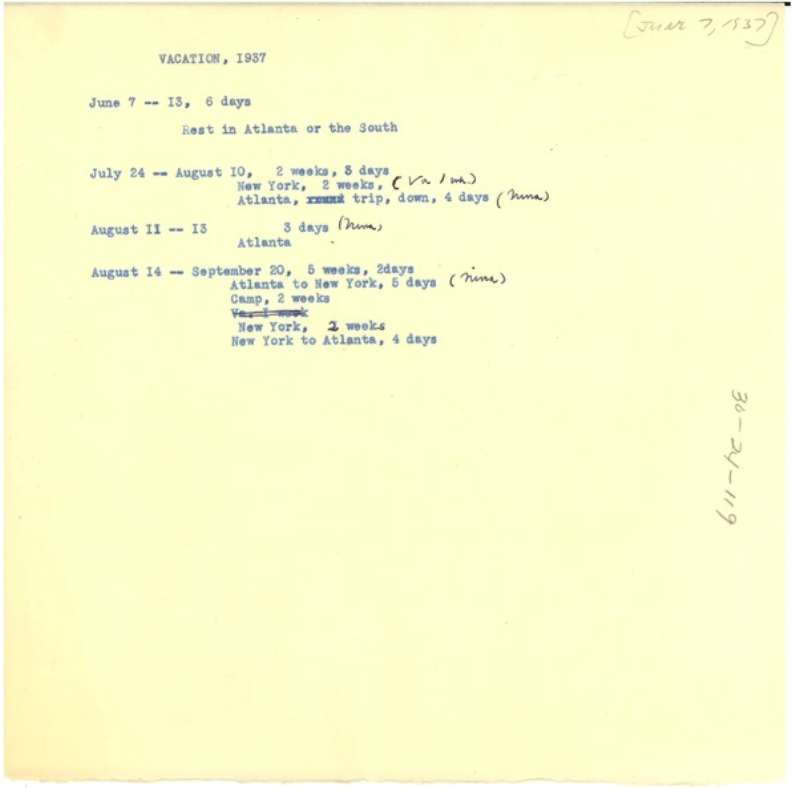
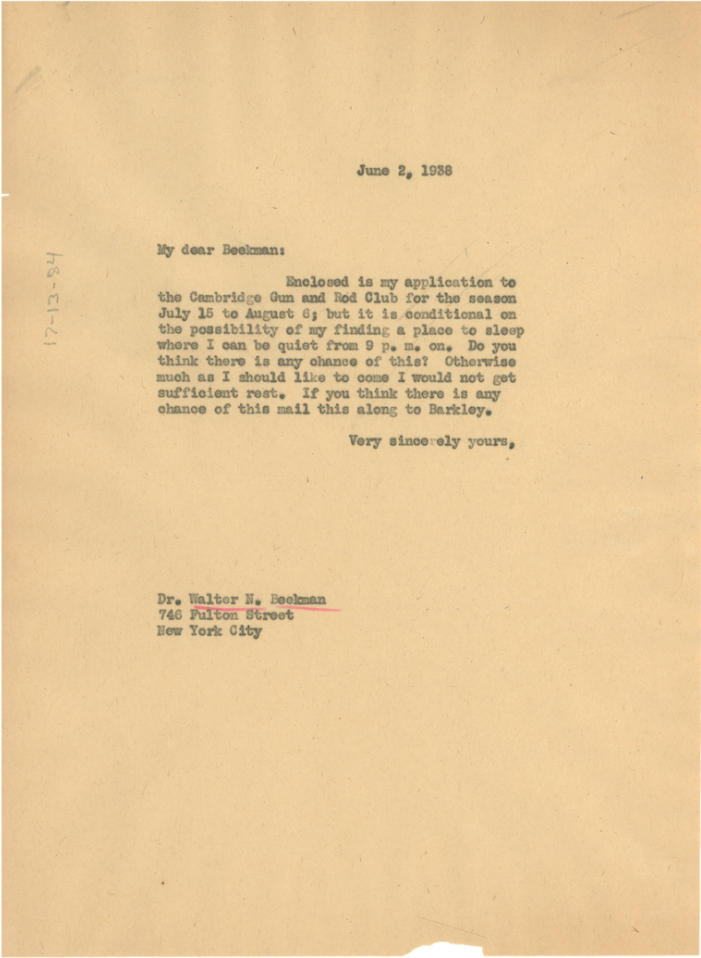
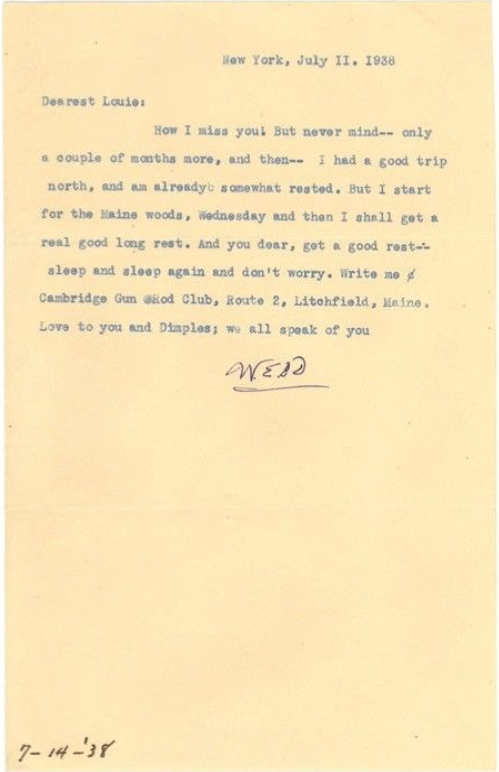
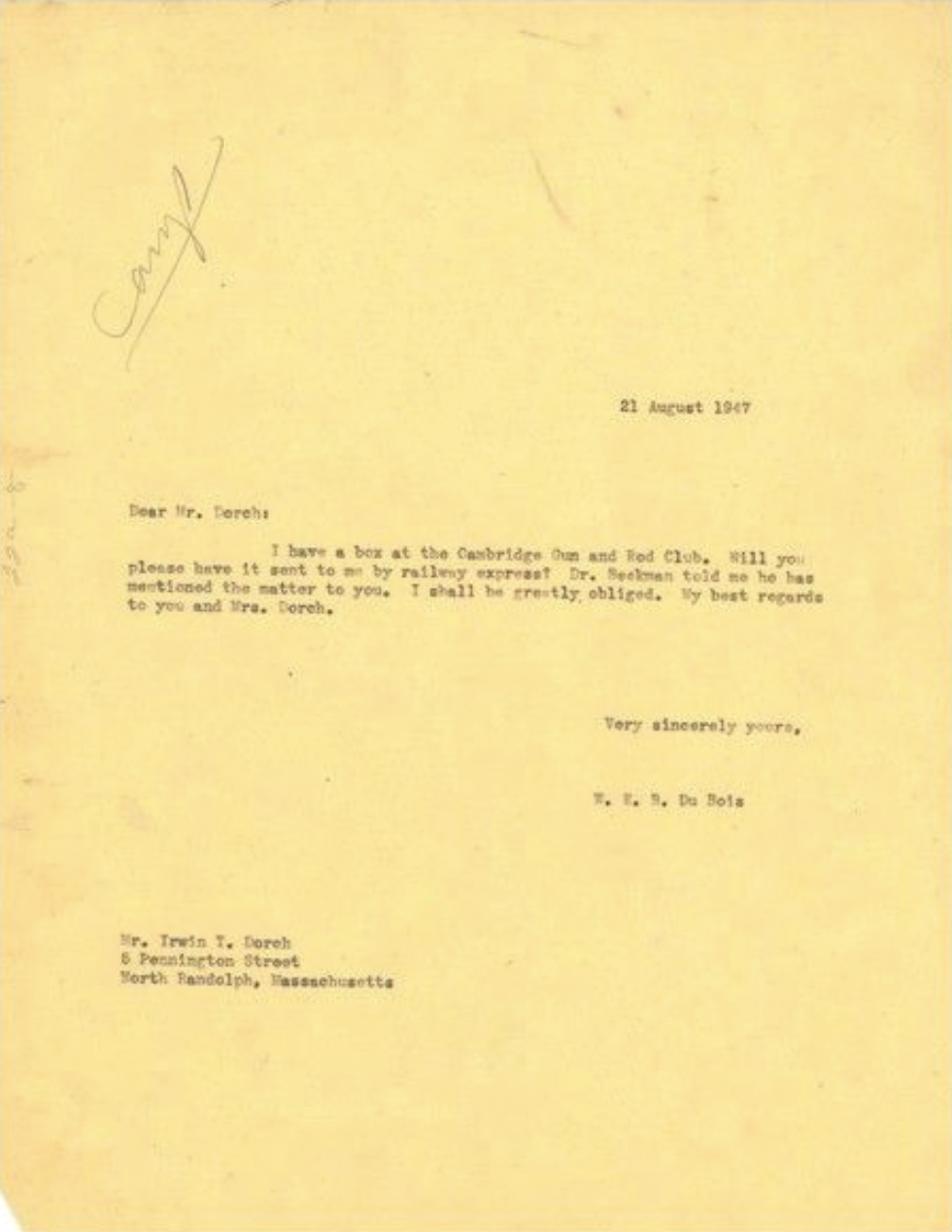
All archival imagery courtesy of the W.E.B. Du Bois Papers (MS 312), Special Collections and University Archives, W.E.B. Du Bois Library, University of Massachusetts Amherst.
Five books, and the years they were written.
Du Bois published five books during his time as a member of the Cambridge Gun and Rod Club:
A novel about race, class, and global politics.
Du Bois’s defining study of the Reconstruction era and the Black contribution to its labor, politics, and ideas.
A history and sociology of Black people in Africa and the Americas. The reach of slavery and colonialism.
Part autobiography, part social commentary. The “color line” — the phrase he gave the century — and his own life inside it.
An argument for the decolonization of Africa and the Caribbean as essential to world peace.
The camp was not where he wrote them. He wrote them in New York and Atlanta. The camp was where he could put the work down and pick it back up the following August. Across these same years he was also editing The Crisis at the NAACP.
A small piece of the record, in one place.
The W.E.B. Du Bois Papers at UMass Amherst hold over a hundred thousand items. The thirteen above are the ones that touch the Cambridge Gun and Rod Club. They are easy to miss in the larger record. We are putting them in one place because the camp was a place he came back to, and that is worth saying plainly.
- W.E.B. Du Bois PapersSpecial Collections and University Archives, UMass Amherst Libraries
- W.E.B. Du Bois at the NAACPFounding leader, editor of The Crisis
- Du Bois at the Library of CongressDigital collections, papers and photographs
Another century to put in.
Request an invitation. Or take a look around the camp first.